Skip to content

Building and structural work

Basement conversions: find vetted specialists near you

A cellar can offer valuable space, but making it comfortable and usable needs more than a new floor and plaster. Moisture, access, ventilation and the building itself all need attention. Share what you have and what you want the room to become.

Start your project

Free for homeowners. No obligation to hire.

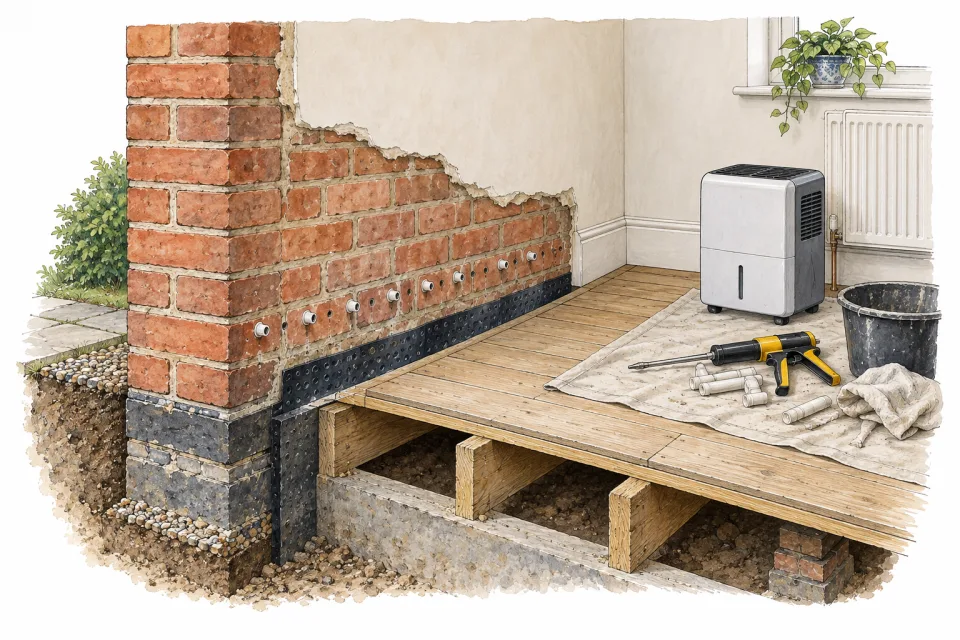
Illustration of cellar and basement conversions
Good work starts with the right people.

The work

What can your project include?

  • Converting existing cellars and basements
  • Refurbishing below-ground rooms
  • Coordinated structural, moisture and interior work

Worth thinking about

Define the use before the finish

A storage area and a regularly occupied room have different requirements. Explain the intended use and ask what assessments, design and approvals it involves. Be clear about who designs the approach to water management and how any ongoing maintenance will be accessed after the room is finished.

Why we are here

Why Pinnacle exists

Cowboy builders have cost families their savings, and the tradespeople who turn up on time and do the work properly get tarred with the same brush. Most platforms check the company rather than the person who will be standing in your kitchen.

Pinnacle vets the individual. Our founder, Graham Nash, has spent 25 years helping families rebuild after they were let down, more than 500 of them, sometimes out of his own pocket. Identity, insurance, relevant qualifications and references are all checked by a person, against the standard he built that work to.

It costs you nothing, and you are not handed a list and left to it. Pinnacle stays in the middle for the whole project, so if something needs sorting out there is someone to tell.

Graham's story

Pinnacle of All Trades

What happens after you register

You should not have to start from scratch with a list of names. Our vetting follows the standard our founder, Graham Nash, has spent 25 years building. We find suitable tradespeople for your project, so you can concentrate on what your home needs.

  1. Tell us what you need

    Share the work, your postcode and your timing. Add photos or plans if you have them. It is fine to say what you are still deciding.

  2. We find suitable tradespeople

    We match the project with vetted tradespeople. Identity, insurance, relevant qualifications and references are checked before introductions.

  3. You decide how to proceed

    Discuss the work, ask questions and agree the scope and quote before hiring. Pinnacle stays involved, so you have someone to contact if a concern comes up.

Your own project area

Once we have looked at your project, we set up your own project area on Pinnacle and send you the link. You can see where the project stands and what happens next, read the tradespeople we introduce by name, ask one of them to contact you, add photos or documents as the work is scoped, tell us if something is wrong, and keep the project up to date as things change.

More about our checks

A clearer quote

What affects the cost?

Existing condition, headroom, access and the proposed construction affect cost considerably. Excavation or structural changes are a different scope from refurbishing an existing room. Ask for specialist design, drainage, services and internal finishes to be distinguished in the quote.

Before you hire any builder

Graham's homeowner survival kit

From 25 years of helping homeowners after they've been let down. The things every family should check before signing a contract.

On payment

  • Get a staged quote, not a lump sum. Each stage clearly priced.
  • Never pay fully up front. Builders who insist on it can disappear with the money.
  • Watch for front-loading. A schedule weighted heavily at the start means the builder is covering their risk, not yours.
  • Pay by credit card where possible. You get legal protection if something goes wrong.
  • Pay into a business account in the right name. Never in cash, and match the account name to the person doing the work.

On contracts

  • Get it in writing, signed by both parties. Include scope, timescale, and what counts as additional work. Most disputes happen at the back end of a project because nobody agreed up front what was extra and what wasn't.

On insurance

  • Check both their public liability AND employers' liability before work starts.
  • Make sure your own home insurance is set up correctly for the work being done.

On permissions

  • Matters most hereGet planning permission, or confirm permitted development applies, before any work starts. Extensions, new roofs, anything structural.
  • Building Regulations approval is separate from planning. Get a building inspector to sign off where required.
  • Matters most hereUse a structural engineer for any timber or steel work that goes into the property.

On materials

  • For bespoke items like windows, steel or anything custom, pay the supplier directly, not through the builder.

No checklist is foolproof, and neither is any vetting. We check every tradesperson hard, but if a job ever stops feeling right, trust your instincts, run it past this list, and tell us. Because Pinnacle of All Trades sits in the middle, you're never sorting it out on your own.

The survival kit on its own page, to keep or share

More advice for homeowners

Not just our word for it

From homeowners

Graham has been on ITV This Morning talking about what every homeowner should know before hiring, and in 2021 he was voted the inaugural winner of the SGS Local Hero Award, taking 39% of over 2,000 public votes.

"Contacted Smith Bros Roofing from Pinnacle of All Trades. He was outstanding with the service, came the same day to give a quote and got the job done within 5 hours."

Rashad Mahmood

Homeowner

Before you start

Your questions, answered

Can a damp cellar become a usable room?

It may be possible, but the building and water conditions need proper assessment. Do not treat a proposed coating as a complete conversion plan.

Can the floor be lowered?

That introduces structural and ground considerations. Describe the intention, but seek the necessary design assessment before agreeing excavation.

Can I include a bathroom below ground?

Explain it early. Drainage, services and ventilation need to be considered within the conversion design.

Will anything need regular maintenance?

Ask about the chosen water-management system, access points and maintenance responsibilities. These should remain practical once the room is fitted out.

Is Pinnacle free for homeowners?

Yes. Registering a project and being introduced to tradespeople costs you nothing, and we take no commission on the work.

Do I have to hire anyone?

No. There is no obligation at any point. Talk to whoever we introduce, get quotes, and walk away if none of them is right for you.

How many tradespeople will I hear from?

It depends on who is available and suitable near you, so it may be one or it may be several. Nothing is exclusive, so you can compare before you decide.

What if something goes wrong?

Tell us. Pinnacle stays in the middle for the whole project rather than stepping back after the introduction, so you are not sorting it out on your own.

How do you vet tradespeople?

A screening call first, then identity, insurance, relevant qualifications and references, all checked by a person before anyone is put in front of you.

Your home. Your next step.

Tell us what you have in mind.

We will help you find the right people to talk to about cellar and basement conversions.

Start your project

Free for homeowners. No obligation to hire.